

Modern enterprises operate within complex technology ecosystems that include SaaS platforms, internal enterprise systems, cloud applications, and external partner networks.
The average enterprise now manages over 1,000 integration flows across multiple systems.
Ensuring these systems exchange data reliably and efficiently has made integration one of the most critical capabilities in modern IT architectures.
For many years, Integration Platform as a Service (iPaaS) solutions helped organizations rapidly connect applications through centralized integration hubs.
However, as digital platforms expand, centralized integration architectures can struggle to scale efficiently.
From Centralized Integration to Distributed Connectivity
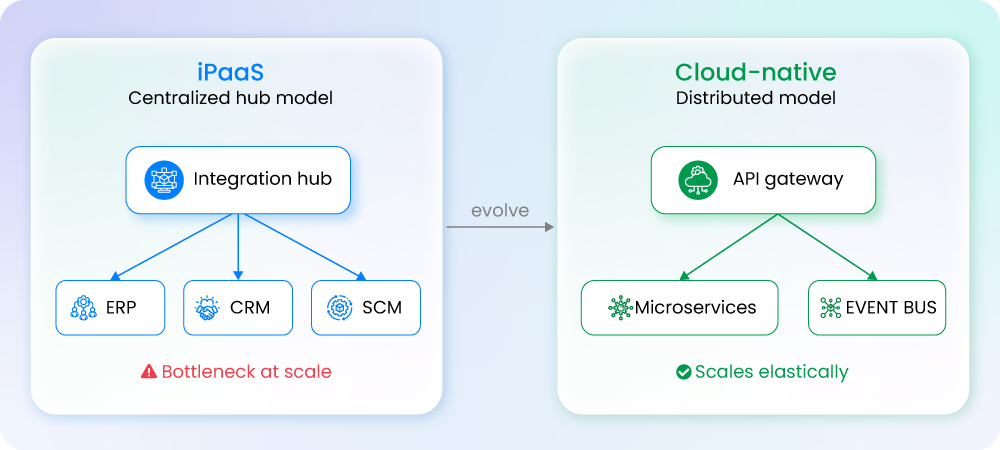
Traditional iPaaS platforms function as centralized orchestration layers between enterprise systems.
While effective for many integration scenarios, centralized models can introduce bottlenecks when transaction volumes grow rapidly.
Cloud-native integration architectures distribute integration logic across APIs, microservices, and event-driven services operating directly within cloud environments, making event-driven microservices architecture a natural fit for modern enterprise connectivity.
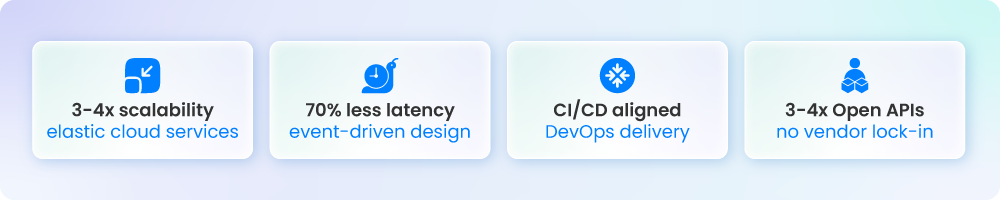
Organizations adopting distributed integration architectures report:
Real-Time Operations with Event-Driven Architecture
Traditional integrations often rely on scheduled batch synchronization.
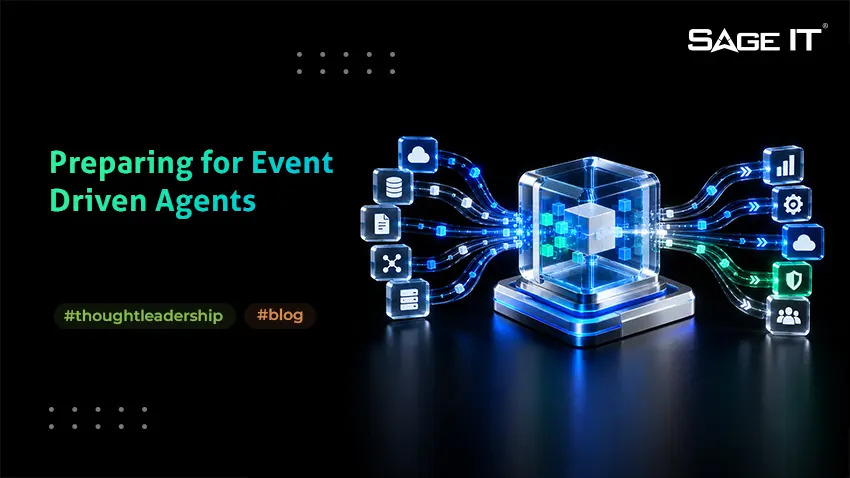
Cloud-native architectures leverage event-driven communication, where systems react immediately when business events occur.
For example:
A customer places an order
An event is published
Multiple services process the event simultaneously
This model enables:
Organizations implementing event-driven architectures report up to 70% reduction in processing latency.
Why Enterprises Are Adopting Cloud-Native Integration
Organizations increasingly adopt cloud-native integration strategies because they align with modern software delivery practices.
Key advantages include:
Elastic Scalability
Cloud-native services automatically scale to support high transaction volumes.
Architectural Flexibility
Microservices-based integrations allow systems to evolve independently.
Reduced Vendor Dependency
Open technologies and APIs reduce reliance on single-platform integration solutions.
DevOps Alignment
Integration services can be deployed through automated CI/CD pipelines, enabling faster release cycles and improved reliability.
Sage IT’s Approach to Cloud-Native Integration
Sage IT helps enterprises modernize their integration architectures through a combination of:
Migrating legacy middleware and integration platforms toward modern integration ecosystems, including Any-to-SAP BTP migrations and cloud-native integration architectures, is a key part of integration modernization trends.
The Future of Enterprise Integration
As enterprises expand their digital ecosystems, integration architectures must support increasing transaction volumes, real-time interactions, and distributed application environments.
Cloud-native integration strategies provide the flexibility required to support:
Organizations that modernize their integration architectures today will be better positioned to scale their digital platforms tomorrow.
Start Your Integration Modernization Journey
If your organization is evaluating cloud-native integration architectures, or modernizing legacy integration platforms, Sage IT can help.
Our Integration Architecture Assessment provides a structured evaluation of your integration landscape and identifies opportunities for modernization.