

A “premortem” is a strategy where a project team imagines that a project has failed and works backward to identify potential causes of failure. It’s conducted at the beginning of a project, unlike a post-mortem, which occurs after a project concludes.
The goal is to proactively identify potential problems and develop preventative strategies, increasing the chances of success.
In a pre-mortem, teams use a method known as “prospective hindsight,” assuming the project has already failed and brainstorming reasons for that failure. This critical thinking process helps uncover previously unconsidered risks, reducing overconfidence in a plan and adding new risks to a risk register.
Pre-mortems are sometimes referred to as “futurespectives” or “pre-spectives” and are designed to address risks before they happen, rather than reacting after the fact.
What happens during a premortem?
After the project plan is roughly in place, the facilitator asks the team: “Imagine it’s now [project end date] and this project has failed badly.”
Each team member writes down plausible reasons why it failed, even reasons they might hesitate to voice in a normal meeting.
The team then shares these reasons aloud and groups or clusters them (e.g., “resource gap”, “governance breakdown”, “market changed”).
Next, the team picks the most likely or most impactful failure modes, and builds preventative strategies or contingency plans (adjust the plan, allocate extra resources, set early warning signs).
As a result, the project has a stronger plan, informed by risks that might otherwise have been overlooked before launch.
Why Does a Premortem Work For You? Key Benefits
A premortem works because it is a powerful exercise that simulates failure before the project starts, helping to uncover potential risks and blind spots early.
Here’s why it works and the benefits it provides:
How to Run a Premortem for Your Next Project?
Step-by-Step Guide to Conducting a Premortem
Invite the Right Stakeholders
The success of the premortem depends on gathering the right people.Invite team members who are directly involved in the project and who have a deep understanding of the day-to-day work. This includes:
• Project team members
• Cross-functional partners (e.g., marketing, design, development)
Avoid involving high-level stakeholders who may not be familiar with the operational details of the project.
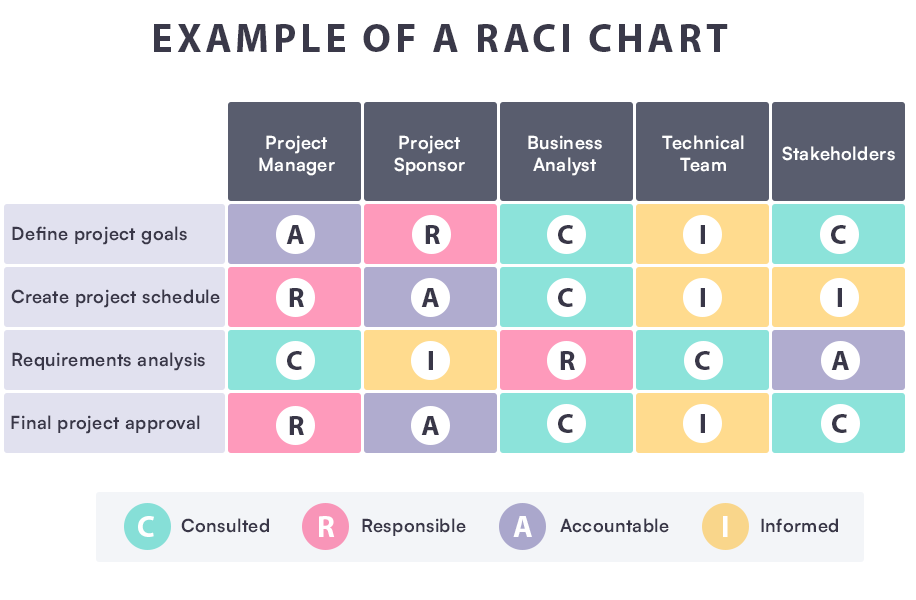
To identify key stakeholders, use a RACI chart to clarify roles and responsibilities.
Img Ref:
Tips for Running a Successful Premortem
Key Takeaways

FAQs
These metrics help gauge how well the premortem has improved project outcomes by proactively addressing potential issues.