
RBAC grants an agent access based on its role, while ABAC grants access based on attributes evaluated at run time. RBAC, built on the NIST role-based access control model, keeps permissions small and auditable by tying them to roles. ABAC, defined in NIST SP 800-162, adds context such as the requested action, data sensitivity, time, and location. For agents the two work together: RBAC bounds what an agent may ever do, and ABAC decides whether this specific request fits the context, so a role that permits an action type does not automatically permit every instance of it.



About Us
For over two decades, Sage IT has been the trusted partner enterprises rely on to move faster, operate smarter, and scale with confidence. Spanning agentic AI, intelligent integration, data, cloud, and enterprise applications, Sage IT delivers production-ready transformation, not just strategy. Real McC.AI™, its enterprise AI platform, bridges the critical gap from pilot to performance. With clients across NA, Europe, and APAC realizing measurable benefits 30% faster, Sage IT combines deep technical expertise with an AI-ready workforce, proven accelerators, and responsible AI governance to deliver outcomes that are pragmatic, auditable, and built to last.
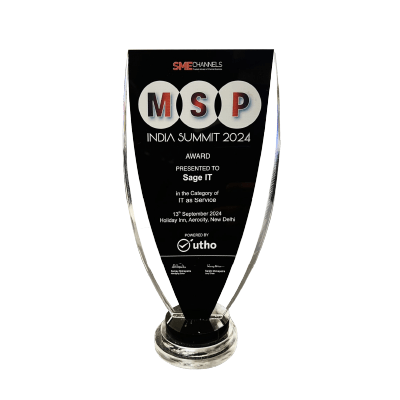
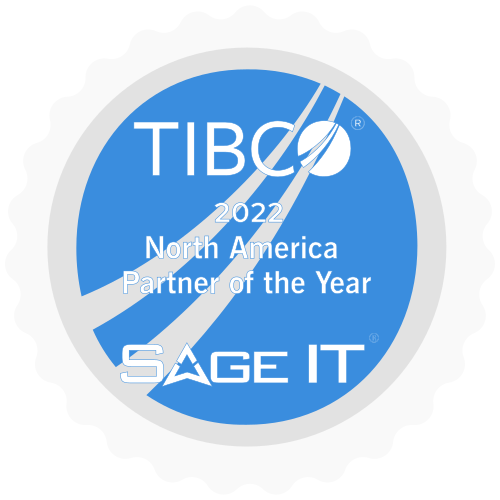
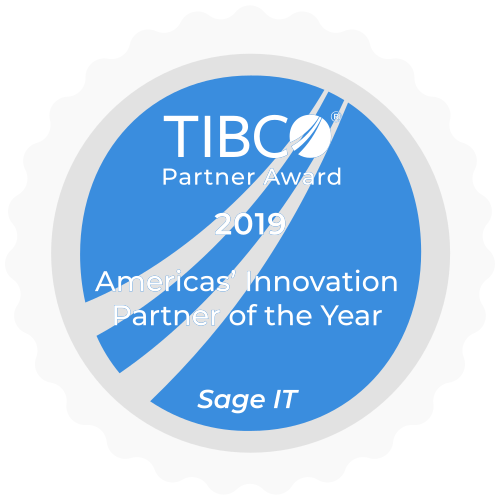
Awards









Certificates


Member



Collaborative Social Responsibility


Socialize


© Copyright Sage IT. All rights reserved